Key Takeaways
- Keep hygiene, clear controls, and stable temperatures front and centre, not flashy extras.
- Match capacity and refill setup to pantry space and peak breaks, so queues stay short.
- Use monitoring alerts to plan filter changes and servicing before taste or flow dips.
- Add sparkling or lightly flavoured options when suitable, so water breaks feel less samey.
Introduction
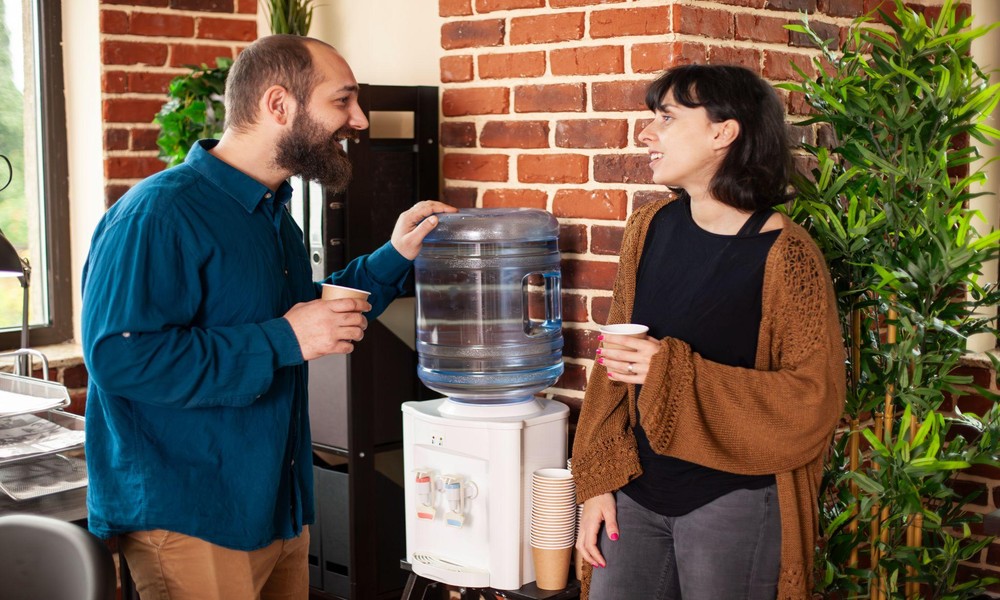
Step into the pantry during a mid-morning rush and you will notice how much daily rhythm depends on reliable water dispensers. Speed, hygiene, and ease of use shape expectations long before anyone checks a specification sheet. A smart unit should remove friction from refills and temperature selection, not introduce new steps. Clear evaluation before purchase keeps technology aligned with routine office habits.
Smart Features That Justify the Upgrade
Touchless Controls and Clear Displays
In shared environments, hygiene and clarity carry weight, which is why sensor activation built into a refill water dispenser makes practical sense. Motion-based dispensing limits physical contact, while a straightforward display prevents confusion over temperature or status. Staff should be able to refill a cup in seconds without navigating layered menus. Controls that feel intuitive reduce hesitation and keep foot traffic moving.
Temperature Stability Under Pressure
High usage quickly reveals whether internal heating and cooling systems can cope with demand. During busy stretches, the units must maintain consistent output without repeated reheating or long cooling cycles. Inconsistent temperature slows breaks and irritates users who simply want a reliable pour. Stable performance keeps refreshment simple and predictable.
Refilling Method and Capacity
Matching Supply to Infrastructure
Plumbing access and pantry layout should guide whether a refill water dispenser connects directly to the mains or operates on bottle supply. Direct piping reduces lifting and storage concerns, while bottled systems suit spaces where plumbing changes are impractical. Aligning the refill method with building constraints prevents later rearrangements. Practical decisions at this stage save operational adjustments down the line.
Managing Peak-Time Demand
Capacity deserves as much attention as digital features. When several team members queue at once, water dispensers should deliver steady flow without running low or slowing output. Tank volume and recovery speed determine whether the unit keeps up with actual office behaviour. Planning around real break patterns avoids small frustrations that build over time.
Monitoring and Upkeep
Alerts That Prompt Action
Maintenance tracking adds value when integrated into a refill water dispenser that records usage automatically. Filter indicators and service prompts should appear before taste or pressure shifts become noticeable. Timely alerts encourage scheduled servicing rather than reactive fixes. Clear reminders simplify planning and reduce uncertainty.
Energy Efficiency and Access for Servicing
Electricity consumption and technician access affect long-term convenience. Well-designed water dispensers include energy management settings that limit unnecessary heating outside busy hours. Internal components should be accessible without dismantling half the unit. Easy access shortens service visits and keeps downtime controlled.
Fit Within the Workspace
Positioning and Movement Flow
Accurate measurements prevent crowding in compact pantry areas. The unit should sit comfortably without blocking walkways or storage zones, while maintaining adequate ventilation space. Placement influences how smoothly staff move through shared areas. Thoughtful positioning supports hydration without disrupting workflow.
Design That Blends In
Equipment in a professional setting should complement the surroundings rather than dominate them. Clean finishes and simple panel layouts help the equipment integrate into existing décor. Subtle design choices reinforce order and consistency across the workspace. Practical appearance signals that the pantry has been arranged with care.
Drink Options and Added Variety
Sparkling Water Features
Some offices value variety during long days, which makes built-in carbonation worth considering. Sparkling settings provide an alternative to standard still water without requiring separate bottles or machines. Controlled carbonation levels prevent excessive fizz while offering a different texture for those who prefer it. Integrated options reduce clutter and keep everything in one central point.
Lightly Flavoured Choices
Certain smart models include mild flavour infusions designed for subtle taste rather than sugary drinks. Options such as citrus or berry hints can encourage better hydration without adding syrups or artificial concentrates. Clear labelling and easy selection keep the experience simple. Offering variety can make regular water breaks feel less routine while keeping the setup practical.
Conclusion
Smart equipment earns its place when it meets real demand, fits existing infrastructure, and remains easy to maintain. Temperature stability, refill method, monitoring tools, and capacity all deserve review before committing to a model. Choosing with daily usage in mind keeps operations smooth and prevents avoidable inconvenience.
Contact Pure Water Dispensers today to discuss smart options that align with your office layout, usage levels, and long-term servicing needs.